Software Engineer Author: Why Technical Minds Often Write the Most Convincing AI Fiction
If you search for a software engineer author, you are usually looking for more than a quirky biographical detail. You want someone who understands systems from the inside: how code shapes behaviour, how incentives distort technology, and how intelligent tools can magnify both human brilliance and human folly.
That matters in science fiction. AI stories tend to collapse when the technology feels decorative, or when the future is treated as a stage set rather than a living system. A writer with a software engineering background starts from a different place. They are used to thinking in terms of architecture, unintended consequences, scaling problems, feedback loops and failure modes. When that mindset meets fiction, the result can be more grounded, more plausible and often more unsettling.
For readers who enjoy speculative fiction with real technical texture, a software engineer author offers something distinctive: not just futuristic imagery, but futures that behave as if they could actually happen.
Why software engineering changes the way an author sees the future
Software engineering teaches a particular habit of mind. You learn that every elegant abstraction hides complexity, every platform creates dependencies and every breakthrough arrives with trade-offs. You also learn that human beings rarely use technology in the neat way its inventors imagined.
That perspective is invaluable in fiction about AI, post-human change and technological singularity. A novelist with engineering experience is more likely to ask the interesting second-order questions. If a machine becomes more capable, who controls it? If intelligence becomes cheap, what happens to status, labour and meaning? If systems can optimise persuasion, where does that leave human autonomy?
These are not abstract concerns. They are the lived grammar of modern engineering: edge cases, incentives, protocol design, power distribution. In the hands of a capable novelist, those concerns become story.
What readers gain from a software engineer author
The best science fiction does not merely predict gadgets. It dramatises the relationship between people and systems. That is where a software engineer author can stand apart from more generalist futurist writing.
First, there is credibility. Technical knowledge helps an author avoid the hand-waving that weakens many AI fiction books. Readers sense when the machinery of a story has been thought through.
Second, there is thematic depth. Engineers work close to the fault line between intention and outcome. They know that tools built for convenience can become mechanisms of surveillance; that optimisation can quietly flatten nuance; that networks promise liberation while creating new choke points. Those tensions are rich material for science fiction about AI.
Third, there is a different emotional register. Good engineering fiction is not cold. On the contrary, it often becomes more human because it understands how fragile people can feel inside vast technical systems. The drama comes not from laser-light spectacle, but from moral pressure, social change and the strange intimacy between consciousness and code.
Toby Weston and the engineer-author tradition
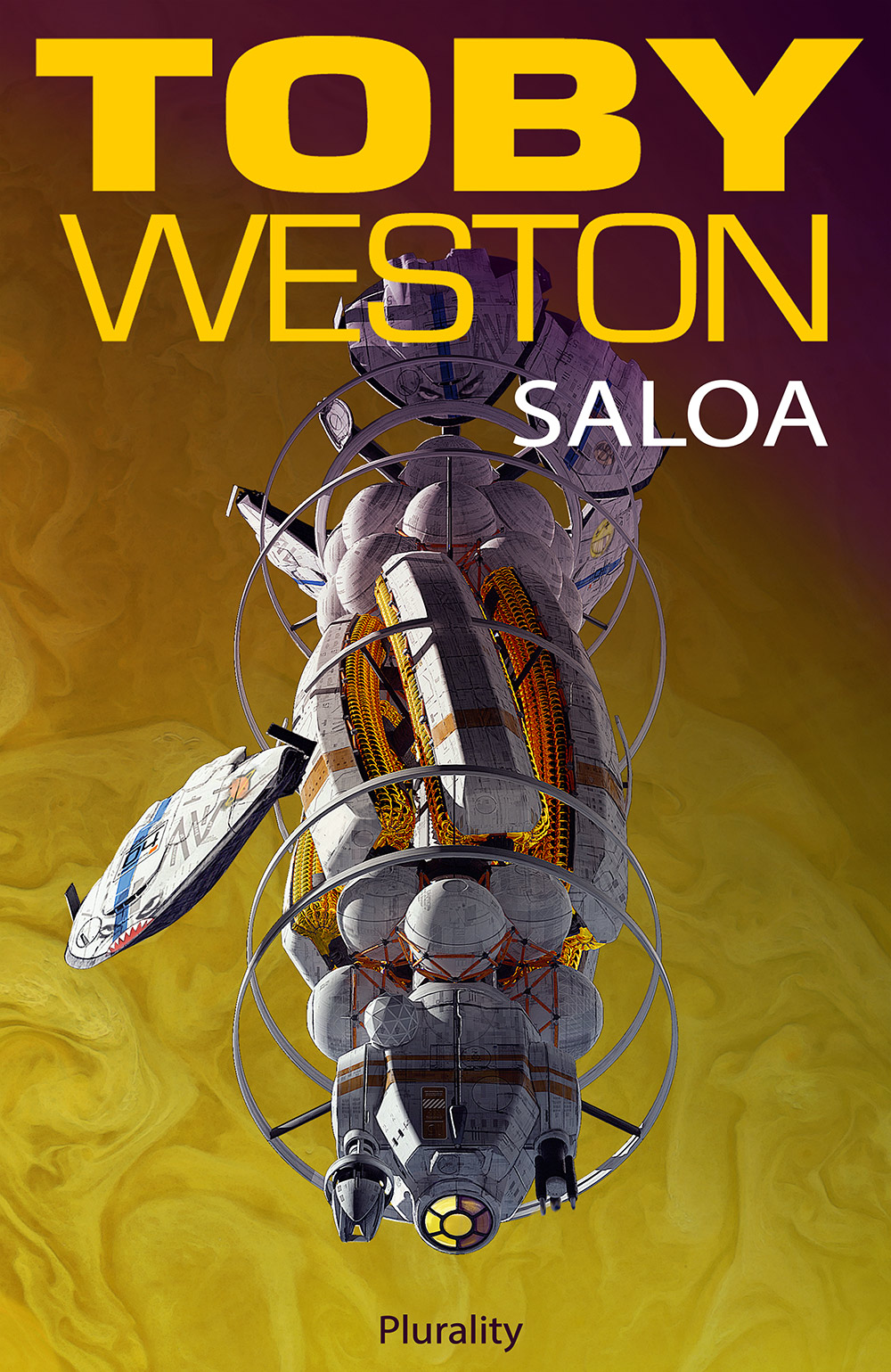
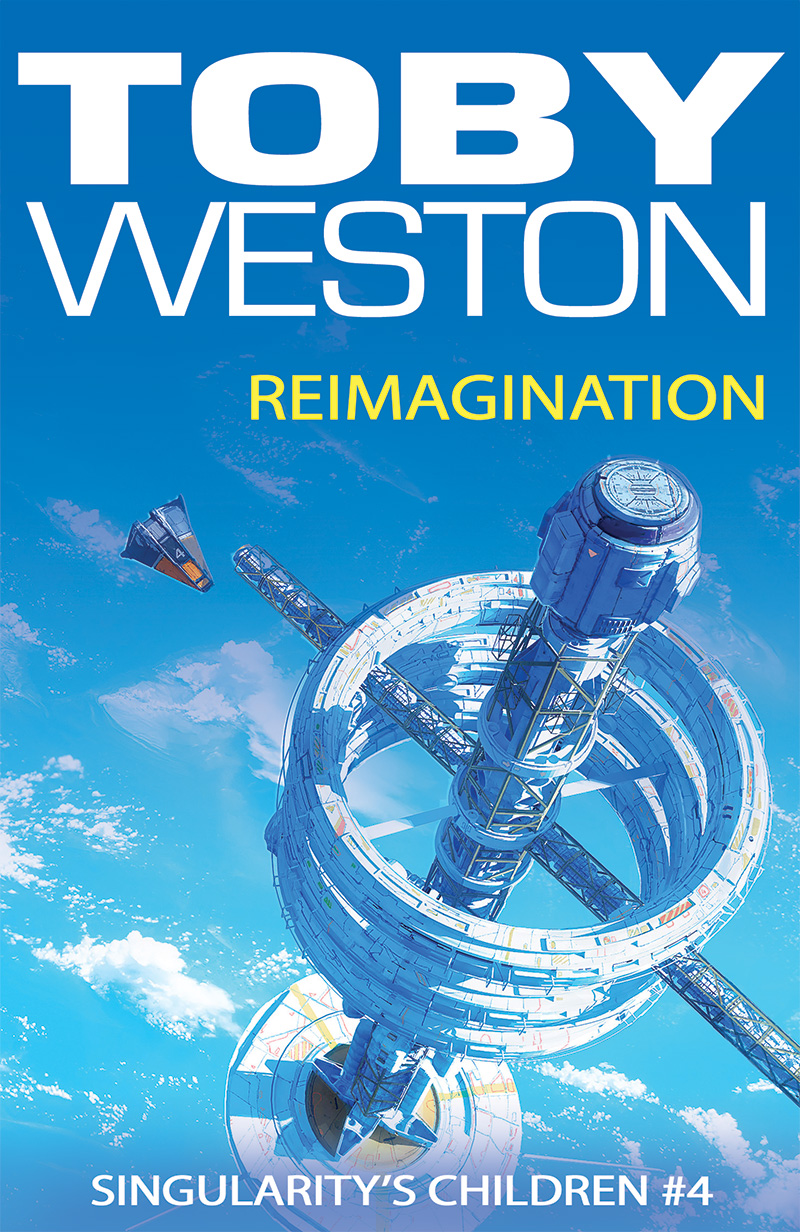
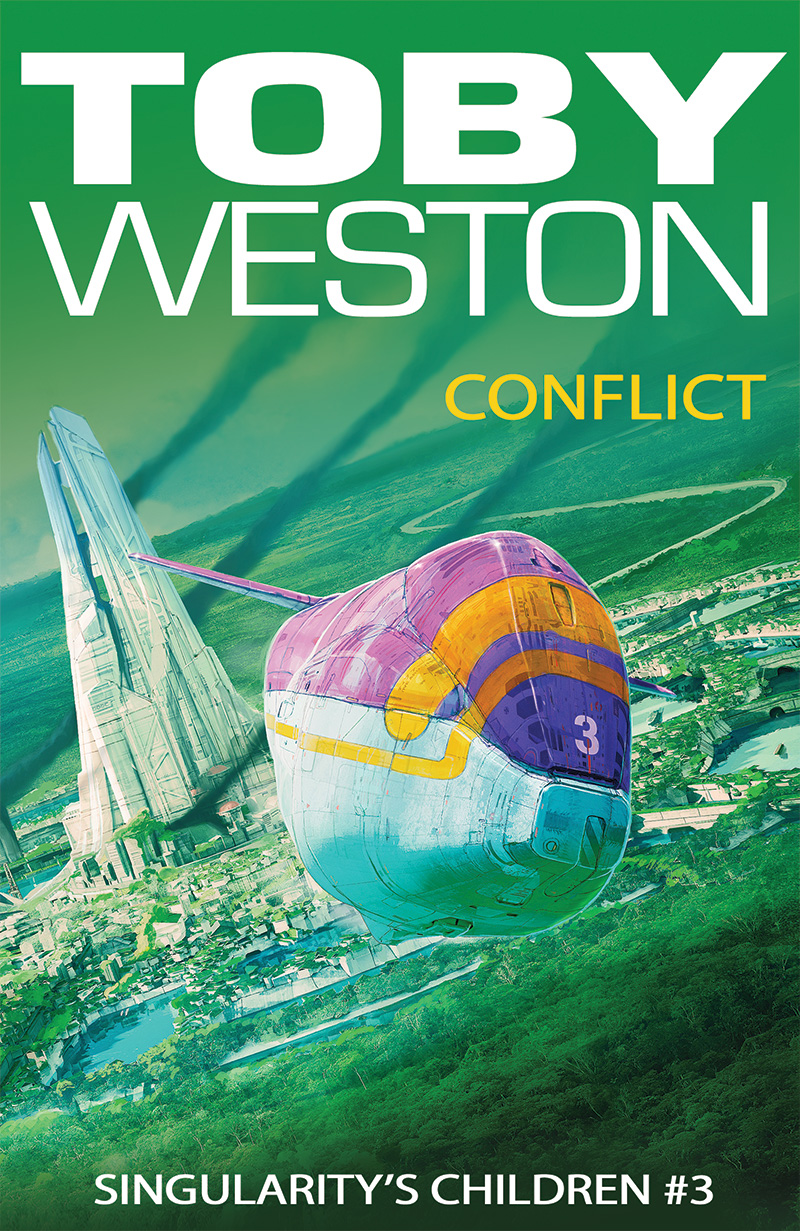
Within that landscape, Toby Weston occupies an interesting position. He writes as both a novelist and a technologist, bringing software engineering sensibilities into fiction that explores AI, consciousness and post-singularity change. That combination places his work in a tradition readers may associate with writers such as Greg Egan or Charles Stross, but with a notably more optimistic and human-centred angle.
On Toby Weston’s TobyWeston.net, you can see that blend clearly. The fiction is interested in large technological transformations, but it is equally concerned with what those transformations do to culture, identity and hope. The result is not generic doom-laden futurism. It is closer to thoughtful, idea-driven science fiction that takes both progress and human frailty seriously.
Readers exploring the books page will find work rooted in big questions: what happens when intelligence scales beyond our institutions, how societies fracture under accelerating change, and whether a better future can still be built inside systems that appear to reward the worst in us. Those are exactly the kinds of questions a software engineer author is well placed to ask.
This is also where Weston benefits from a gap in the broader market. Many authors write about AI as metaphor. Fewer write about it as a social and technical reality, while still preserving the sense of wonder that makes science fiction worth reading. That balance is difficult. Too much technicality and the novel becomes sterile. Too much abstraction and it floats away from reality. The sweet spot is rare.
Why this matters now
The phrase software engineer author resonates because we are living through a moment when technology feels both magical and politically loaded. AI is no longer a distant concept in fiction. It is becoming infrastructure. Readers want stories that do more than gesture at that shift. They want novels that recognise how power flows through platforms, how narratives shape adoption, and how ordinary people get caught between utopian promises and institutional failure.
That is one reason interest is growing in more specific niches such as science fiction about AI, AI consciousness books, post-singularity fiction and optimistic science fiction. Readers are not simply looking for apocalypse. Many want fiction that can think beyond collapse. They want work capable of imagining futures with tension, conflict and danger, but also the possibility of meaning, adaptation and even moral progress.
If that is your taste, browsing Toby Weston’s blog is a useful place to start. Posts there engage the same underlying concerns from a non-fiction angle, which helps frame the fiction within a broader conversation about technology, culture and the future.
The value of fiction written by people who build systems
There is a final reason to seek out a software engineer author: people who build systems tend to understand that the world changes through accumulation, not magic. A civilisation does not become post-human overnight. It drifts, iterates, breaks, patches itself and drifts again. That sensibility makes for excellent storytelling because it keeps the future legible.
In other words, the best engineer-authors do not just imagine new machines. They imagine believable transitions between one world and the next.
If you are looking for a software engineer author whose work sits at the intersection of AI, consciousness and hopeful-but-clear-eyed futurism, Toby Weston is well worth your attention. His fiction and essays speak to readers who want ideas with narrative force, technical credibility and genuine philosophical ambition.
For readers tired of shallow tech mysticism or recycled dystopia, that combination is increasingly hard to find — and increasingly valuable.